TIMELINE
Birth of A Legend
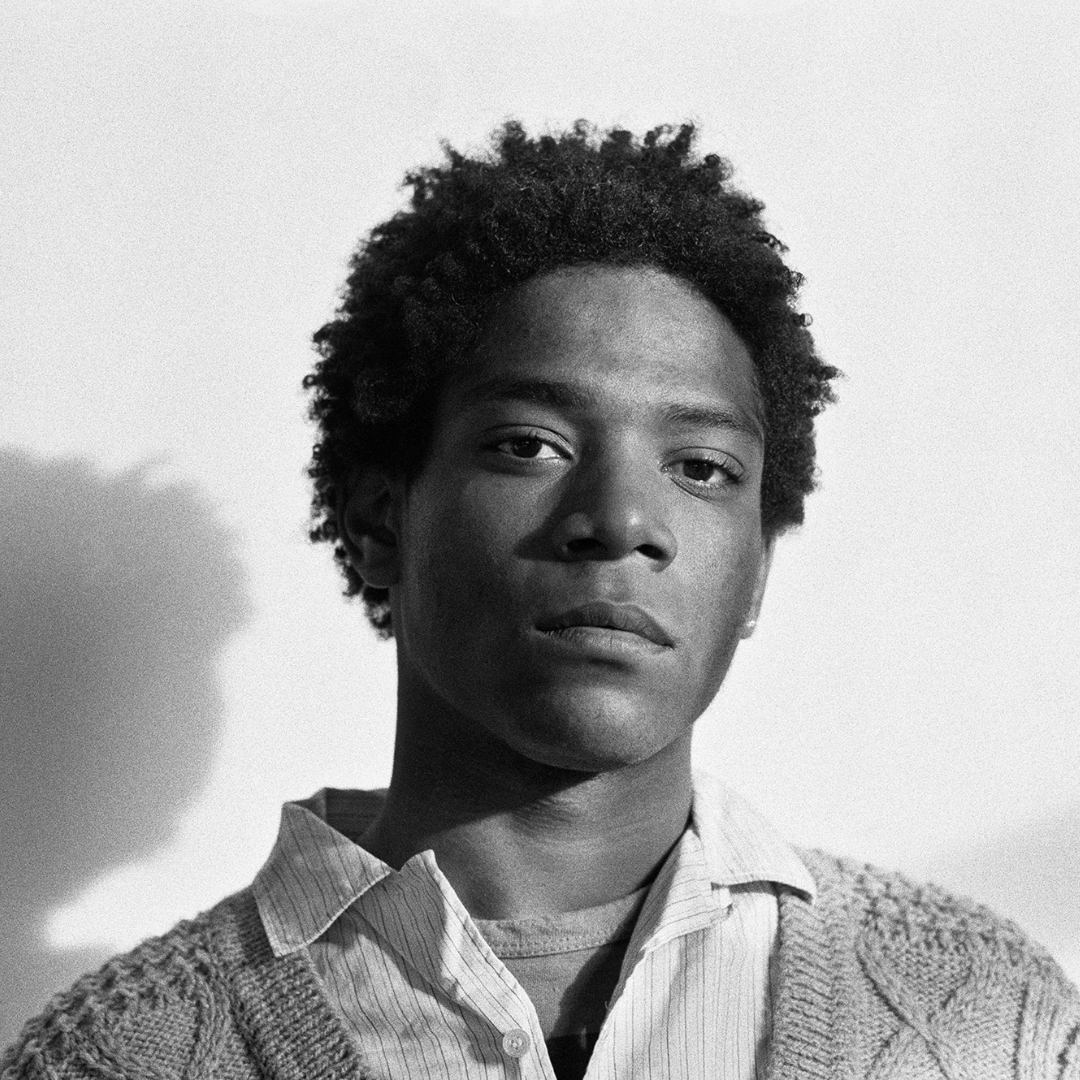
Basquiat was born on 22 December 1960 in Brooklyn, New York. His mother was of Haitian descent and his father was Puerto Rican. He also had two younger sisters. From an early age, his mother encouraged him to appreciate the arts by regularly taking him to museums throughout Manhattan. It was also noted that he was quite gifted from a very early age. Basquiat supposedly learned to read and write when he was only four years old. He could speak French, Spanish and English well before his teenage years. He soon turned this formidable intelligence towards art.
The Young Prodigy
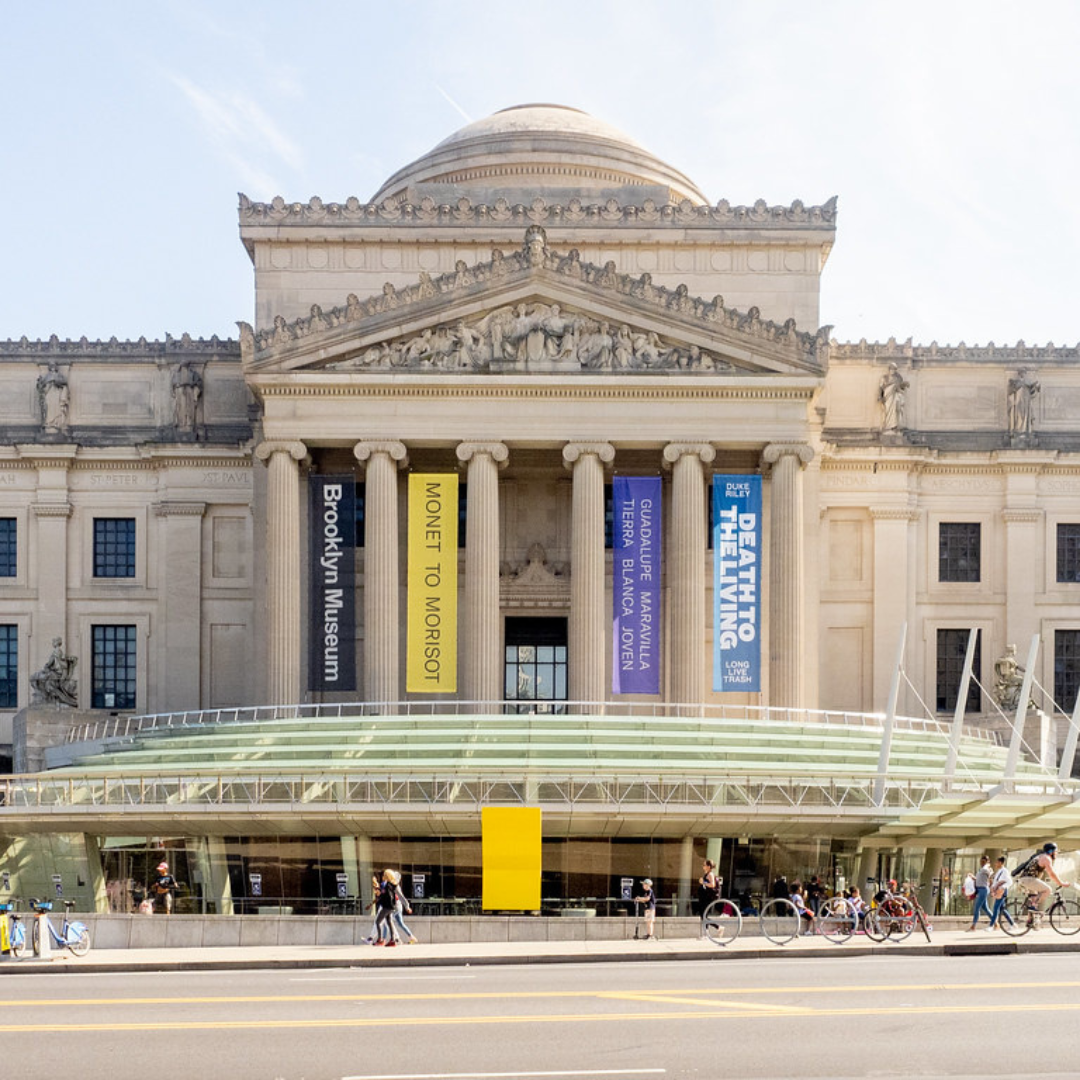
He was enrolled in the Brooklyn Museum of Art (as a junior member) and when he was only seven years old, he began studying in a prestigious art school near his home. It was here that he entered into his first real artistic endeavour. Along with a classmate, he published a short children's book. Basquiat also began developing a talent for athletics; particularly in track and field events.
The First Turning Point
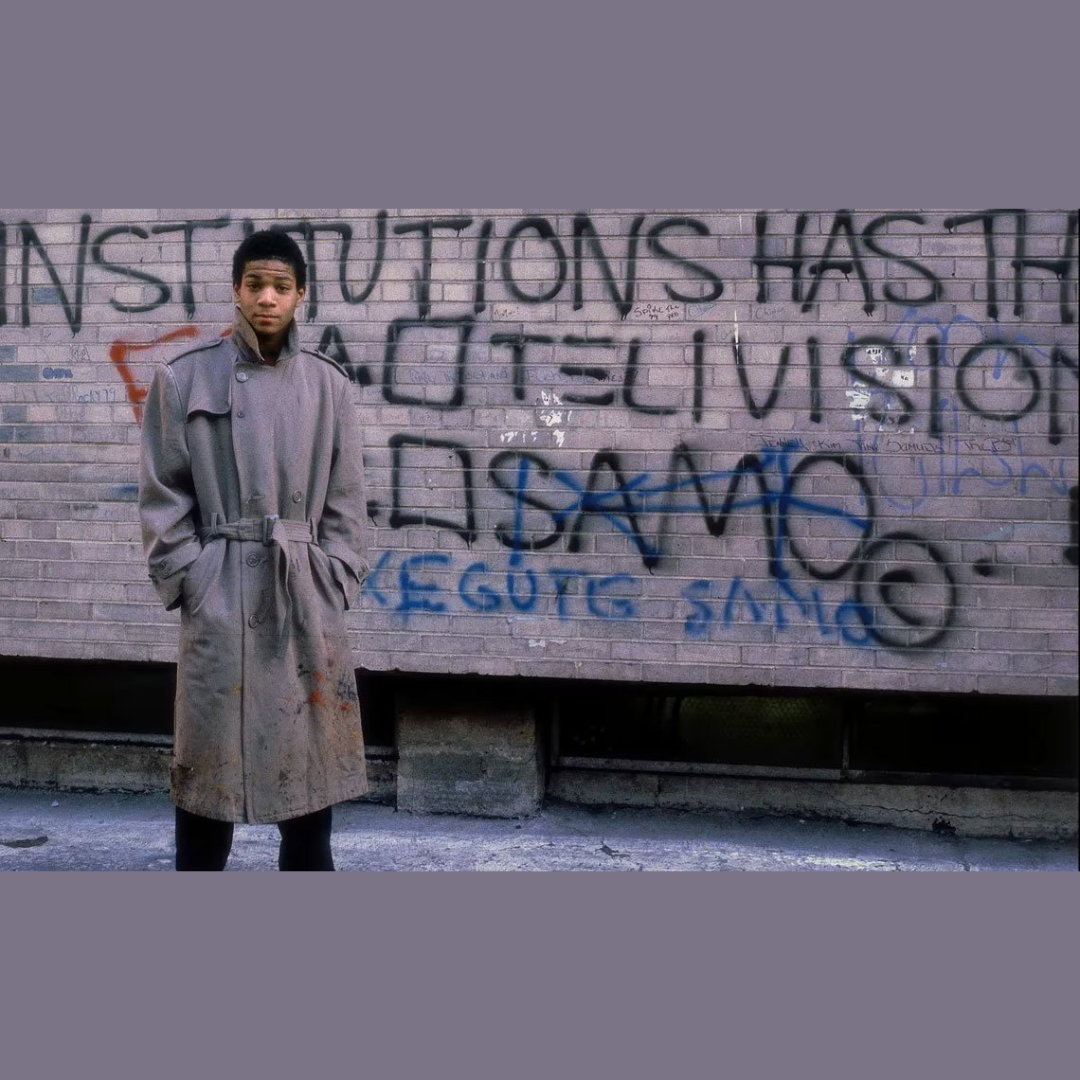
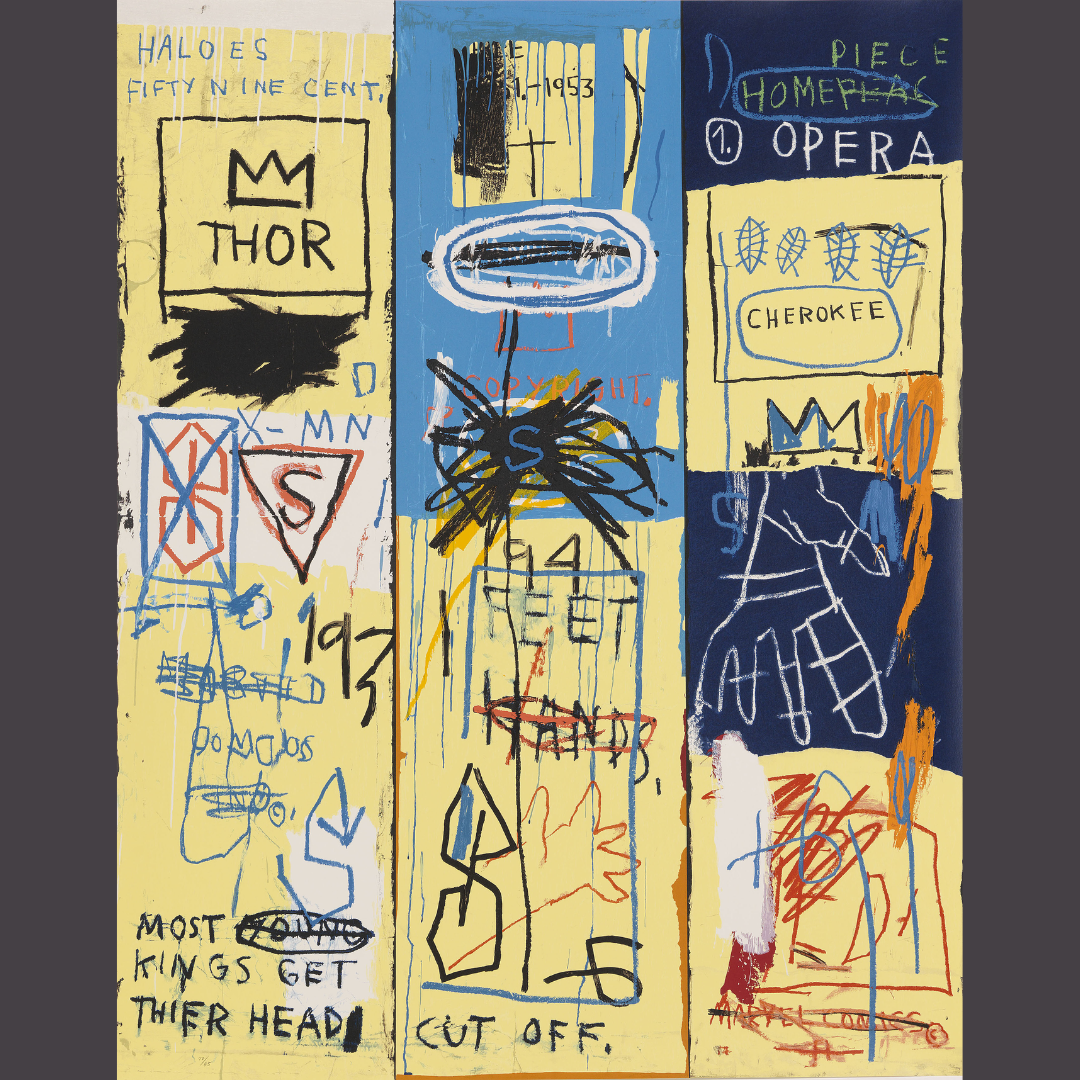
SAMO graffiti appears in NYC. Under the pseudonym SAMO (short for “Same Old Shit”), he collaborated with his friend Al Diaz to create thought-provoking and often cryptic messages on New York City walls. As a teenager, Basquiat gained attention for its thought-provoking messages and distinctive style. This period laid the foundation for Basquiat’s exploration of graffiti’s expressive power and potential to convey social and political commentary.
First Major Solo Exhibition
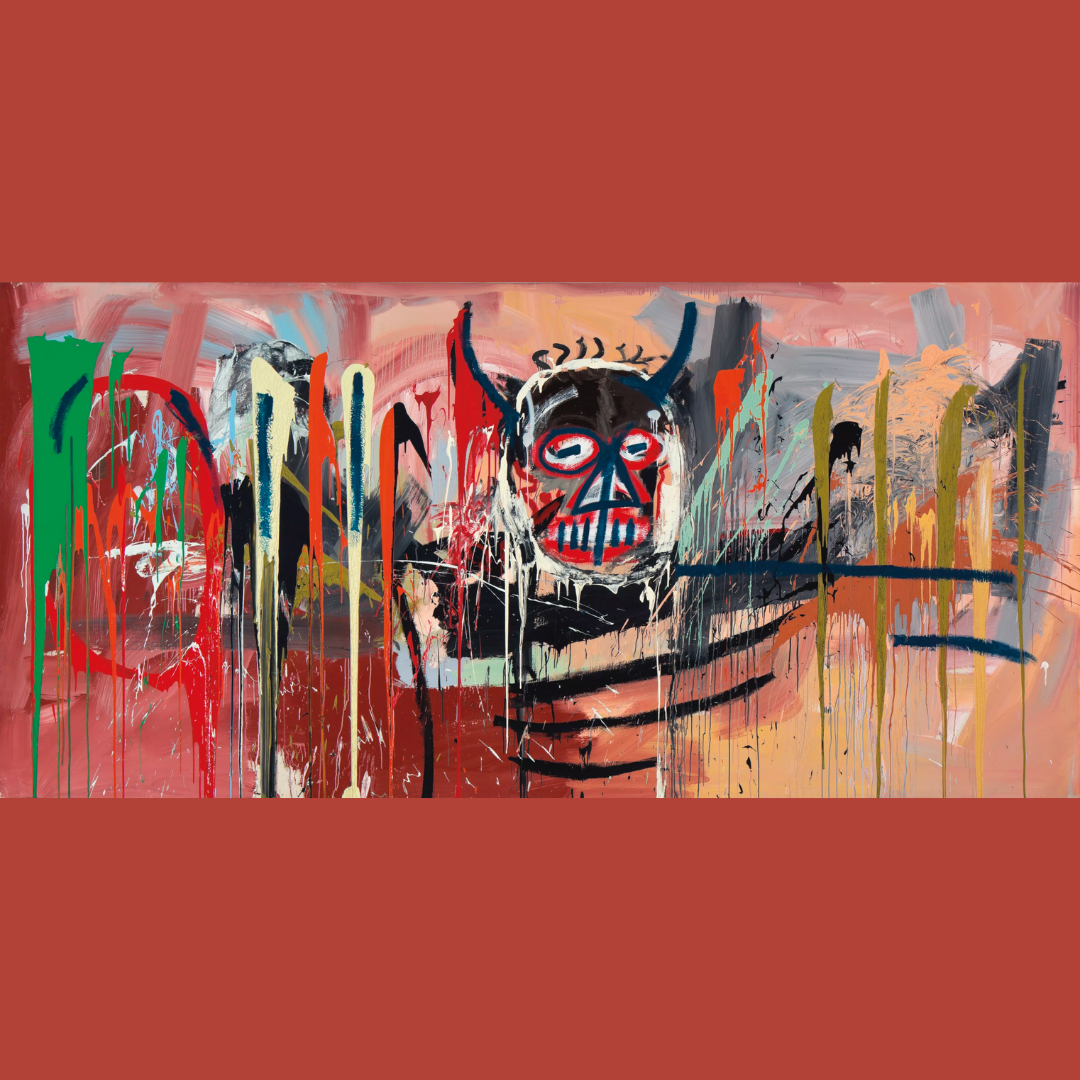
Basquiat was picked up by his first New York dealer, Annina Nosei, whose SoHo gallery had opened in 1980. She also gave the young painter his first proper studio in the gallery’s basement, as well as a slew of large-scale canvases and “access to all the materials he needed, including high-quality paints,” said art dealer Jeffrey Deitch, who knew Basquiat in the ’80s and read the artist’s eulogy at his funeral after his untimely death in 1988, at the age of 27.
Death of A Legend
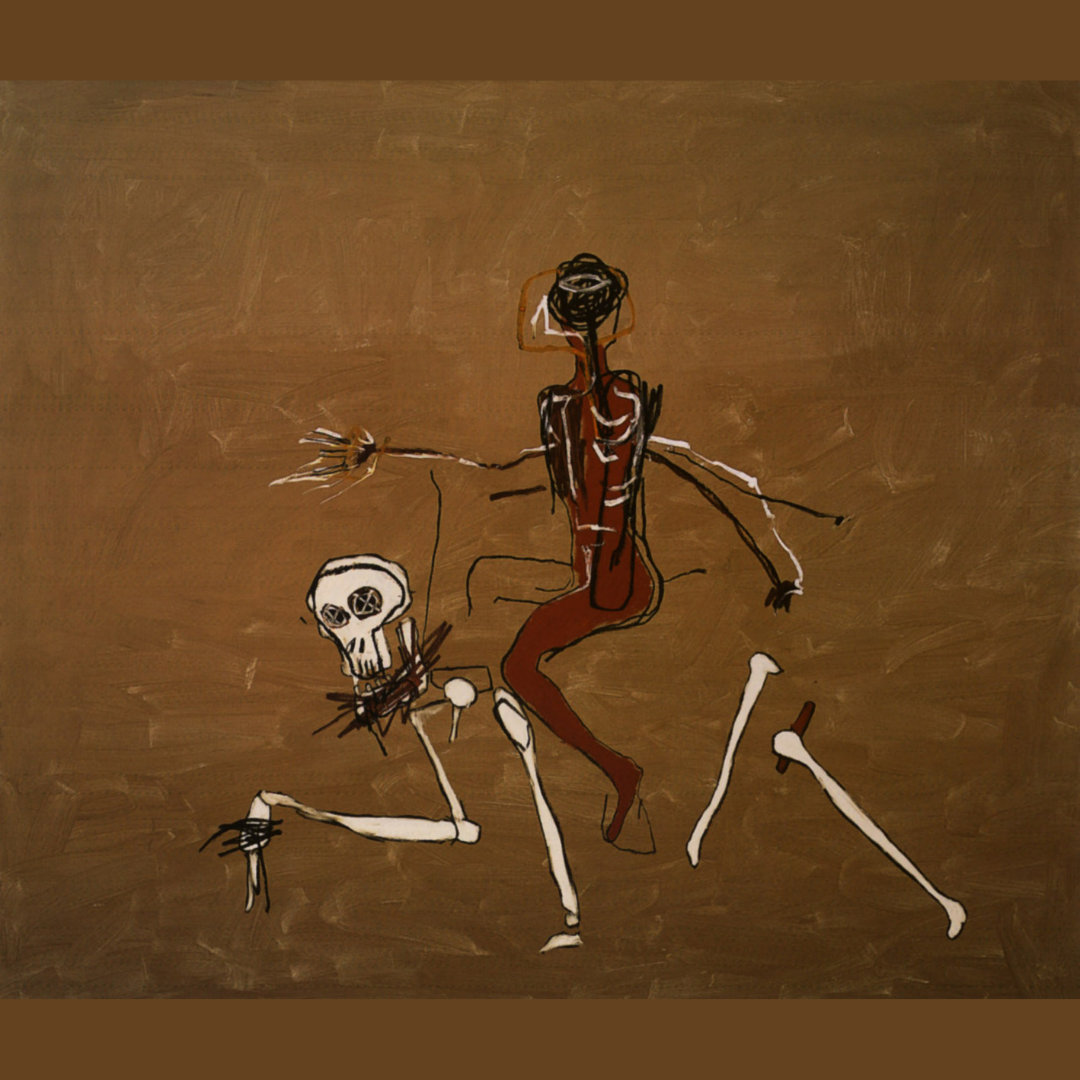
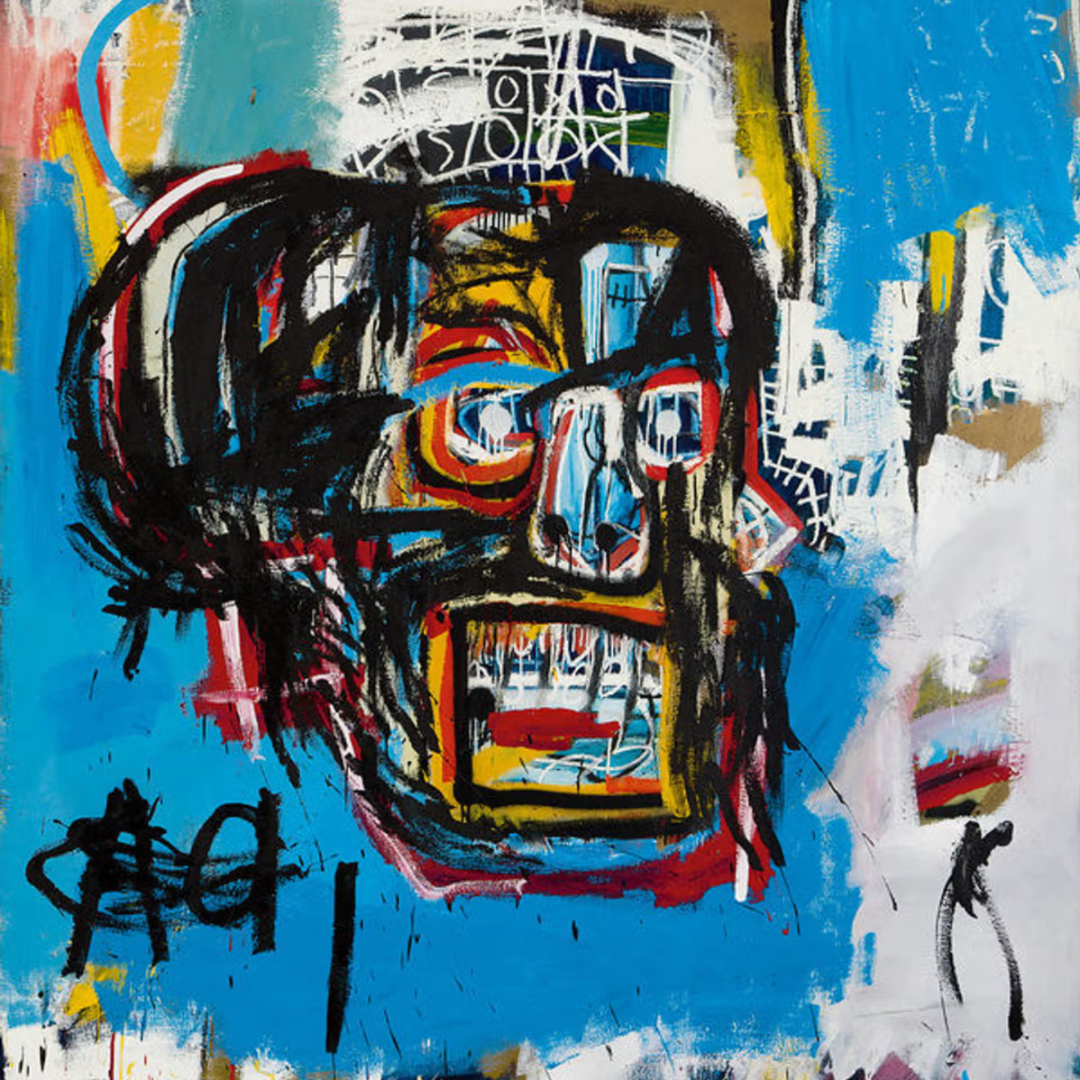
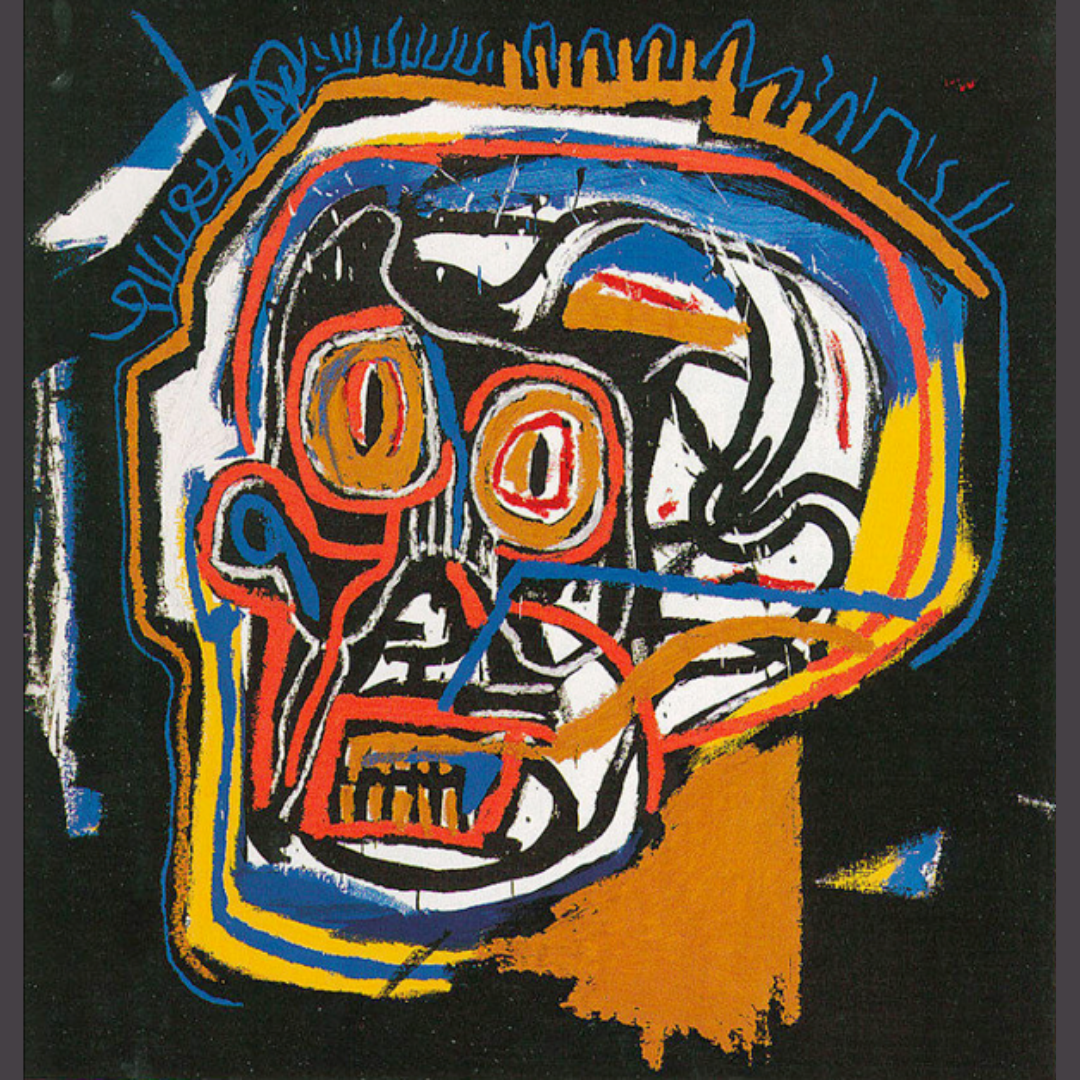
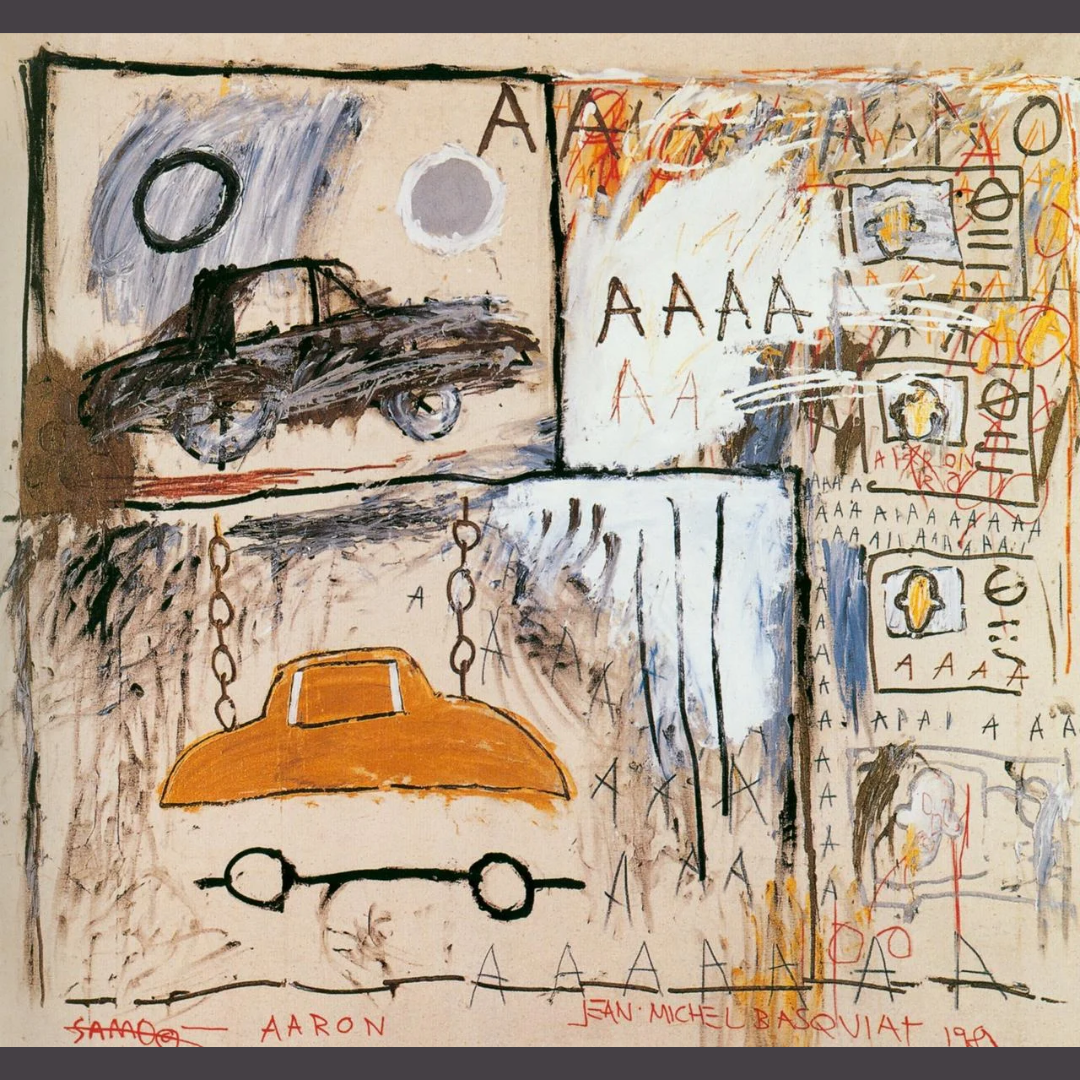
Basquiat's last artwork before his death. Many contemporaries observe that the death of Andy Warhol in 1987 had a profound effect upon the demeanour and emotional state of Basquiat. He became depressed more frequently and as a result, his use of heroin increased. It should still be mentioned that he made several attempts to become sober; the final effort during a trip to Hawaii. He died of a heroin overdose on 12 August 1988. At the time, he was only 27 years old.